

AI and Authorship: When Creation Leaves No Trace
 Mariyam Yasser
Author
Mariyam Yasser
Author
A Clear Process, Once Taken for Granted
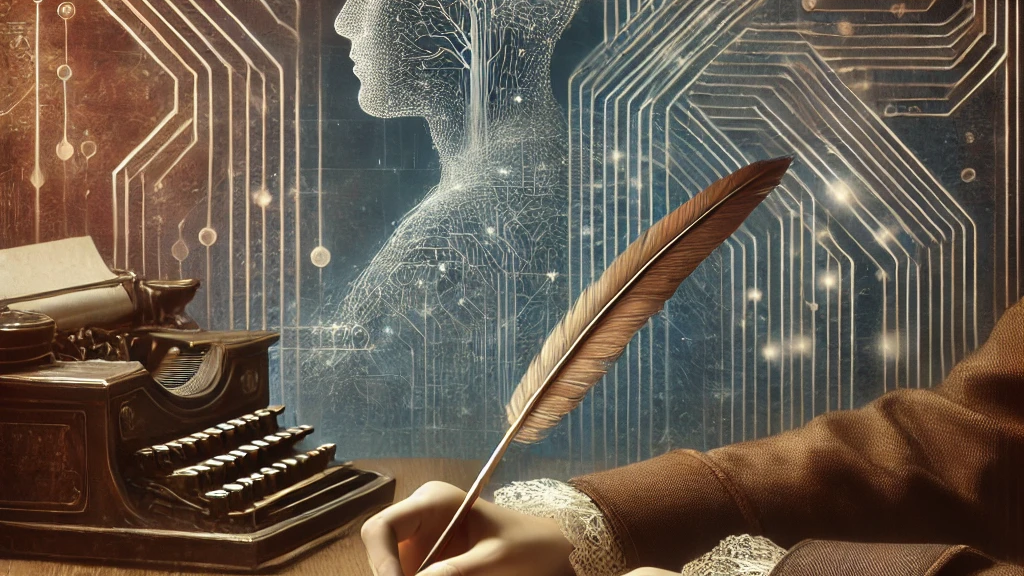
Not long ago, people saw books as the result of a clear human process. Writers drafted ideas, editors refined them, and designers shaped the final form. Each step left evidence behind. Because of this, readers rarely questioned authorship. The journey from idea to finished book felt visible and trustworthy.
What AI Changes
AI disrupts this process. It can generate a full book in moments, with no visible drafts or stages. This creates uncertainty. When no clear record shows how a book was made, it becomes harder to define roles like author or editor. It also makes it difficult for publishers to confidently stand behind the work.
The Shy Girl Case
The case of Shy Girl shows this shift clearly. The publisher withdrew the book not because it proved wrongdoing, but because it could not confirm how the book was created. This highlights a deeper issue. Publishers can handle controversy, but they struggle when authorship itself is unclear. Without clarity, a book becomes a risk.
Labels Are Not Enough
Publishers have started using labels like “AI-free” or “human created.” These labels make claims, but they do not provide proof. What the industry lacks is evidence. In the past, creative work left a trail through drafts, notes, and revisions. Digital tools still record this process, but publishers rarely use it as proof.
A New Way Forward
New systems now aim to track and verify how content is created. These systems can record each step of the process. Instead of relying only on trust, they offer a clear history of creation. This approach could make all contributions more visible and help rebuild trust in authorship.
A Changing Relationship with Readers
This shift may also change how readers view books. In the past, readers trusted the author’s name. In the future, they may expect proof of how a book was made. Authorship may need to be shown, not just stated.
Redefining Creativity
At the same time, creativity itself is evolving. Many writers already use digital tools in their work. This blurs the line between human effort and machine support. The real challenge is not to remove these tools, but to show clearly how people use them.
The Road Ahead
Publishing now faces a choice. It can rely on old assumptions, or it can adopt better ways to document creation. In a world where content can appear instantly, showing how something was made may become essential.






Comments (0)