

Too Much Fried Food, Too Little Fibre: How Festive Eating Affects Your Gut Health
 Mariyam Yasser
Author
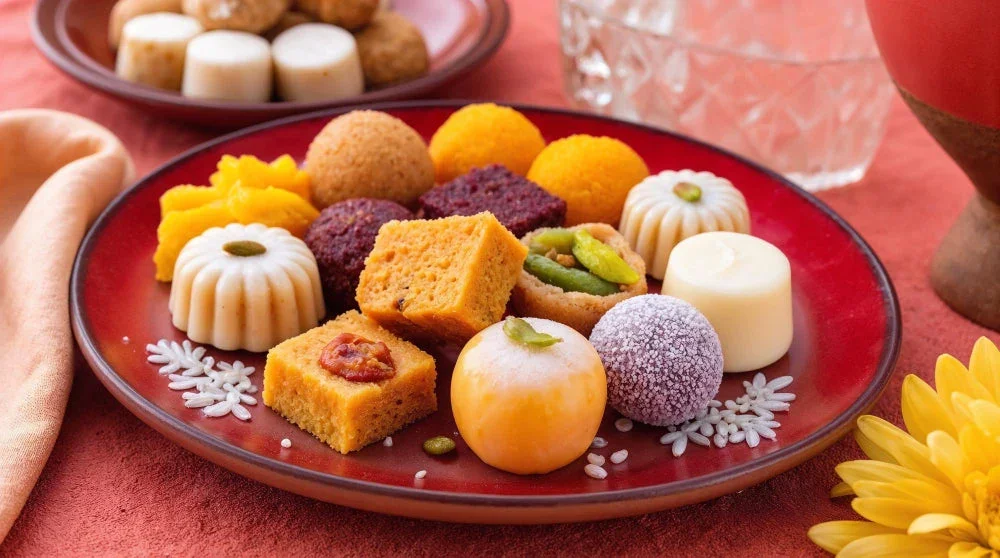
Festive celebrations are often accompanied by delicious food, traditional sweets, fried snacks and rich meals shared with family and friends. While these special dishes make celebrations enjoyable, excessive consumption of oily and high-calorie foods, combined with a lack of dietary fibre, can affect digestive health.
During festivals, everyday eating habits often change. People tend to consume more fried preparations, refined flour products, rich gravies and sweets, while vegetables, fruits, whole grains and pulses receive less attention. Even a few days of such dietary changes can influence bowel movements, digestion and the balance of microorganisms in the gut.
Dietary fat, fibre, water intake and meal portions all play important roles in maintaining digestive health. When meals become heavier and fibre consumption decreases, the digestive system may experience additional strain.
How Does Eating Too Much Fried Food Affect Digestion?
Fried foods contain considerable amounts of fat, which can influence how the digestive system processes meals. Dietary fat stimulates the release of digestive hormones and affects the movement of food through the stomach.
Consuming large, high-fat meals may prolong the feeling of fullness and contribute to digestive discomfort, including bloating, belching, acidity and acid reflux. People who already experience digestive problems may be particularly sensitive to these changes.
The situation can become more uncomfortable when a heavy festive meal is followed by sweets and late-night snacking. Eating substantial quantities over several hours can keep the digestive system occupied for longer.
Meal size also matters. Large portions increase the amount of food in the stomach and may encourage acid reflux, particularly when someone lies down or reclines shortly after eating.
Therefore, managing portion sizes and overall calorie consumption is just as important as paying attention to individual food ingredients.
What Happens When Dietary Fibre Is Missing From Your Meals?
Dietary fibre is essential for maintaining a healthy digestive system. It helps increase stool bulk, supports regular bowel movements and provides nourishment to beneficial gut bacteria.
Some of the best sources of dietary fibre include:
-
Whole grains such as oats, brown rice and millets.
-
Pulses, lentils, chickpeas and beans.
-
Fresh fruits and seasonal vegetables.
-
Nuts and seeds.
When fibre intake decreases for several days, bowel movements may become less frequent, and stools can become harder to pass. This may lead to constipation, particularly when reduced fibre consumption is accompanied by inadequate water intake and limited physical activity.
Fibre also plays an important role in maintaining the gut microbiome, which consists of microorganisms living in the digestive tract.
Certain beneficial gut bacteria ferment dietary fibre and produce short-chain fatty acids (SCFAs), including butyrate, acetate and propionate. These compounds support the health of colon cells, help maintain the intestinal barrier and contribute to metabolic and immune functions.
This is why dietary fibre does much more than support regular bowel movements. It helps create an intestinal environment in which beneficial microorganisms can grow and function effectively.
A diet dominated by refined carbohydrates and fried foods, with fewer plant-based ingredients, provides less nourishment for these beneficial bacteria.
Also read : Olive oil before a meal, can a spoonfull really...
Why Your Festive Routine Can Also Affect Gut Health
Digestive health depends not only on what you eat but also on your daily routine.
The digestive system follows natural biological rhythms. Eating times, sleep patterns and physical activity influence gastrointestinal motility, which refers to the coordinated muscle contractions that move food through the digestive tract.
However, festive celebrations often disturb these routines. Late-night dinners, prolonged sitting, irregular sleeping schedules and frequent snacking can disrupt normal digestive patterns.
These lifestyle changes may aggravate symptoms in people with existing conditions such as irritable bowel syndrome (IBS), gastroesophageal reflux disease (GERD) and functional dyspepsia.
Hydration is another important factor. Dietary fibre absorbs water and helps maintain appropriate stool consistency. When water consumption decreases during celebrations, travelling or social gatherings, constipation may become more likely.
Excessive alcohol and caffeine consumption can also worsen reflux symptoms and affect hydration in some individuals.
6 Simple Ways to Keep Your Gut Healthy During Festivities
Enjoying festive delicacies does not mean you have to compromise your digestive health. A few practical changes to your eating habits and daily routine can help maintain digestive comfort throughout the celebrations.
1. Include Vegetables in Your Meals
Make sure your lunch and dinner include a serving of vegetables alongside traditional festive preparations. Vegetables provide dietary fibre, vitamins and minerals that support overall digestive health.
2. Choose Whole Grains and Pulses
Include whole grains, dals, chickpeas and beans in your everyday meals. These foods provide different types of dietary fibre and help support regular bowel movements.
3. Drink Enough Water
Maintain regular water intake throughout the day, especially when consuming salty snacks or travelling. Adequate hydration helps fibre perform its role in maintaining healthy bowel movements.
4. Avoid Overeating
Enjoy festive delicacies in moderate portions rather than consuming several heavy dishes at once. Allow sufficient time between meals to support comfortable digestion.
5. Take a Walk After Meals
A short walk after eating can support normal digestive movement. Maintaining regular physical activity is also beneficial for overall gastrointestinal health.
6. Avoid Going to Bed Immediately After Dinner
Give your body sufficient time to digest a substantial meal before sleeping. This is particularly important for people who experience acidity or acid reflux.
Another important consideration is increasing fibre intake gradually. People who usually follow a low-fibre diet should avoid making sudden, significant changes. Increasing fibre too quickly can cause gas, bloating and discomfort, particularly in individuals with sensitive digestive systems.
People experiencing persistent digestive problems should seek medical advice rather than relying entirely on dietary changes.
When Should You Seek Medical Attention for Digestive Problems?
Occasional bloating, fullness and changes in bowel movements may occur after heavy festive meals. However, certain symptoms should not be ignored.
Consult a healthcare professional if you experience persistent or worsening digestive problems, including:
-
Continuous or severe abdominal pain.
-
Repeated vomiting.
-
Difficulty swallowing.
-
Blood in your stools.
-
Unexplained weight loss.
-
Persistent changes in bowel habits.
These symptoms may indicate an underlying medical condition and require proper evaluation.
Must read : Diwali Lighting on the budget, ways to make your...
Enjoy Festive Food Without Neglecting Your Gut Health
Festive meals are an important part of family traditions, regional cuisines and social gatherings. Enjoying traditional delicacies does not mean abandoning healthy eating habits.
The key is to maintain balance. Even when sweets, fried snacks and rich preparations dominate the festive menu, try to include everyday staples such as whole grains, pulses, vegetables and fruits.
Gut health is influenced by the cumulative effect of daily food choices rather than a few celebratory meals. Maintaining adequate fibre intake, drinking enough water, eating moderate portions and staying physically active can help the digestive system adapt to changes during the festive season.
This festive season, enjoy your favourite foods while giving your gut the care and nourishment it needs.








Comments (0)