

Olive Oil Before Meals: Can a Spoonful Really Prevent Blood Sugar Spikes?
 Mariyam Yasser
Author
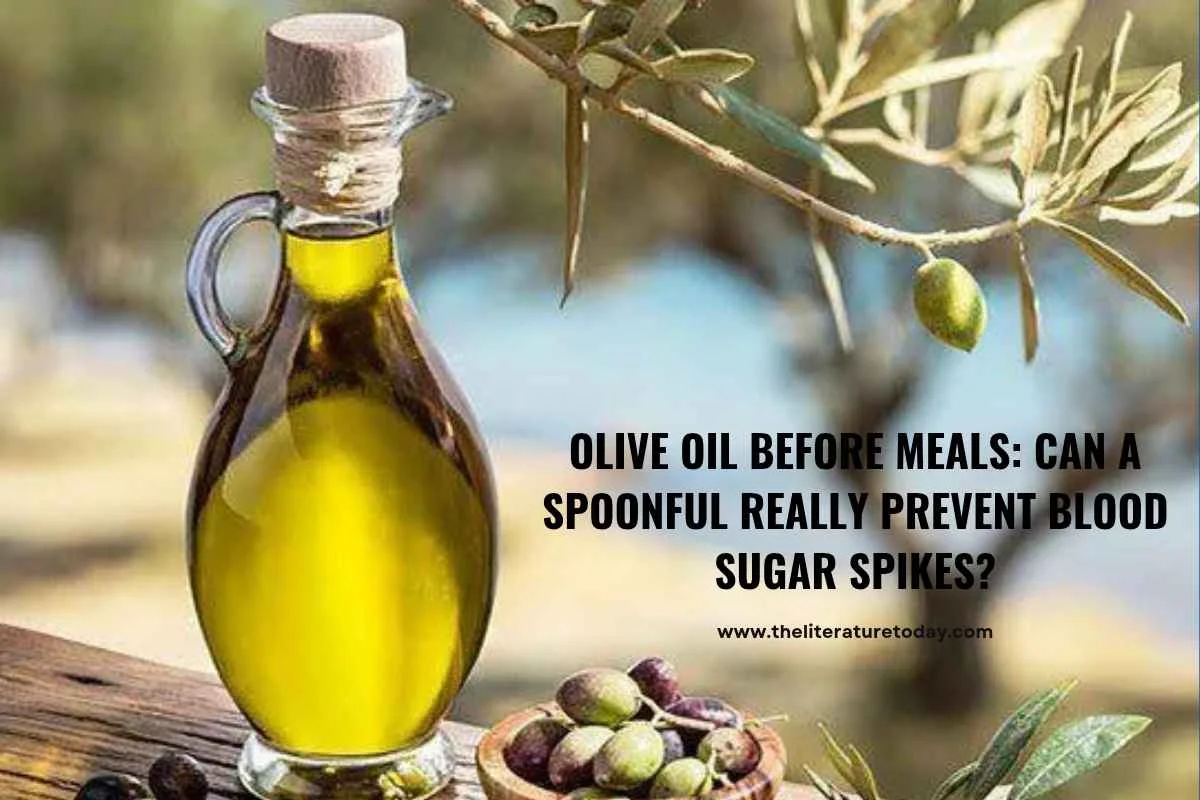
A recent mouse study suggests that consuming olive oil before a meal may slow the initial rise in blood glucose. However, experts caution that this practice is not a proven solution for diabetes management or weight loss.
Olive oil has earned a reputation as one of the healthier cooking oils, largely because of its association with the Mediterranean diet and its potential cardiovascular benefits. While it is not traditionally used in most Indian kitchens, its popularity has grown considerably among people looking to improve their health and eating habits.
Recently, a new health trend has been gaining attention: consuming a spoonful of olive oil before meals to prevent sudden increases in blood sugar levels.
The practice has attracted renewed interest following a mouse study suggesting that taking olive oil before consuming glucose may reduce the initial blood sugar rise. But does this mean an olive oil shot can help manage diabetes, improve metabolism or support weight loss?
The scientific evidence offers a more nuanced picture.
What Does the Latest Olive Oil Study Reveal?
In the study, researchers examined how consuming olive oil before glucose affected blood sugar levels in mice. They gave one group olive oil approximately 15 minutes before glucose and compared its response with animals that received water before glucose or olive oil afterward.
The results showed that mice consuming olive oil before glucose experienced a smaller initial increase in blood sugar. Interestingly, other dietary fats produced similar effects, indicating that the response was not unique to olive oil.
The explanation may lie in the way the digestive system processes food.
Most carbohydrate absorption takes place in the small intestine. However, dietary fat can slow the rate at which the stomach empties its contents into the intestine. As a result, glucose enters the bloodstream more gradually, reducing the speed of the initial blood sugar rise.
This does not mean that the body absorbs fewer carbohydrates or calories. Instead, the absorption process is delayed.
A similar observation was reported in a small study involving six men with type 2 diabetes. Researchers found that consuming olive oil before a potato-based meal delayed stomach emptying and the subsequent blood glucose peak.
However, these findings are not sufficient to establish that regularly consuming olive oil before meals improves long-term diabetes control.
A lower early glucose reading does not necessarily indicate better overall blood sugar management. It is also important to consider the additional calories consumed through the oil.
Olive Oil Is Healthy, But Its Calories Still Matter
One common misconception about olive oil is that its health benefits make it suitable for unlimited consumption.
Like other cooking oils, olive oil provides approximately nine calories per gram. A single tablespoon contains around 120 calories, while two tablespoons contribute roughly 240 calories.
Whether it is labelled extra virgin, virgin, refined or extra light, its calorie content remains broadly similar.
If someone starts drinking olive oil before meals without reducing their regular food intake, they may unintentionally increase their daily calorie consumption.
Although the oil might make some people feel fuller, it does not guarantee that they will eat less throughout the day. The overall effect depends on whether olive oil replaces another source of calories or is simply added to the existing diet.
Consistently consuming more calories than the body needs can contribute to weight gain and increased abdominal fat.
Excess fat accumulation around internal organs and within the liver can also contribute to insulin resistance. When this happens, the liver may release more glucose into the bloodstream than necessary, while muscles become less efficient at absorbing glucose.
Over time, these changes can make blood sugar regulation more difficult. Fatty liver, increased triglyceride levels and a larger waist circumference may also accompany these metabolic problems.
Therefore, a temporary reduction in the blood sugar rise after one meal should not be confused with improved metabolic health or protection against weight gain.
Understanding the Different Types of Olive Oil
Olive oil contains a high proportion of oleic acid, a monounsaturated fatty acid associated with favourable cholesterol profiles when it replaces saturated fats in the diet.
Replacing some butter or ghee with unsaturated fats can help improve cholesterol levels. This is one of the reasons olive oil is frequently included in heart-healthy dietary recommendations.
However, not all olive oils are processed in the same way.
Here are the major varieties and their differences:
1. Extra Virgin Olive Oil
Extra virgin olive oil is extracted mechanically without chemical refining. It retains a greater proportion of naturally occurring polyphenols, which are plant compounds known for their antioxidant properties.
2. Virgin Olive Oil
Virgin olive oil is also obtained without refining but follows different quality standards. Its flavour and composition can vary depending on the olives and production process.
3. Refined Olive Oil
Refining reduces the oil's natural flavour and removes much of its original polyphenol content. However, its fatty acid composition remains largely intact.
4. Regular Olive Oil
Products sold simply as olive oil are generally blends of refined olive oil and virgin olive oil.
5. Extra Light Olive Oil
The term extra light refers to a milder taste and lighter flavour, not a lower calorie count. It should not be mistaken for a low-fat or weight-loss product.
6. Olive Pomace Oil
This oil is produced from the remaining olive residue after the initial extraction process. It undergoes refining before being sold for consumption and should not be assumed to contain the same polyphenol levels as extra virgin olive oil.
What Does Research Say About Olive Oil and Heart Health?
The cardiovascular benefits associated with olive oil are supported by research involving Mediterranean dietary patterns.
One important example is the PREDIMED study, a large Spanish clinical trial involving nearly 7,500 older adults who were at an increased risk of cardiovascular disease.
Researchers found that participants following a Mediterranean diet supplemented with extra virgin olive oil experienced approximately a 30 per cent lower risk of the combined outcome of heart attack, stroke or cardiovascular death compared with those advised to follow a reduced-fat diet.
However, this finding needs to be understood in the right context.
The research examined extra virgin olive oil as part of an overall Mediterranean eating pattern. It did not establish that drinking olive oil immediately before meals provides additional cardiovascular protection.
The Mediterranean diet also includes vegetables, legumes, nuts and other nutritious foods. Its health benefits cannot be attributed to olive oil alone or automatically extended to every variety of olive oil.
Also Read : Beyond detox, simple ways to feel better after a stressful day
Is Olive Oil Suitable for Indian Cooking?
Another common question concerns the effect of heat on olive oil and its nutritional properties.
Olive oil contains polyphenols that can gradually decrease when exposed to high temperatures for extended periods.
In one experimental study simulating pan cooking, researchers observed that total polyphenol levels declined by approximately 40 per cent at 120°C and 75 per cent at 170°C.
However, these figures represent the conditions of that particular experiment and should not be interpreted as universal results for every cooking method.
Heating olive oil does not immediately eliminate all its nutritional benefits. Its high monounsaturated fat content makes it relatively resistant to oxidation, and good-quality extra virgin olive oil can be used for regular cooking.
The choice of olive oil also depends on the cooking method.
-
Extra virgin olive oil works well for salad dressings, moderate-heat cooking and adding flavour after cooking.
-
Refined olive oil and refined blends generally have higher smoke points and can be suitable for cooking at higher temperatures.
-
Repeatedly heating the same oil, particularly for deep frying, increases its degradation.
In Indian kitchens, briefly sautéing vegetables in olive oil is very different from repeatedly heating oil for deep frying. No variety of olive oil makes repeated overheating harmless.
It is also worth remembering that food fried in olive oil still absorbs fat and contributes calories to the overall meal.
Can Olive Oil Shots Replace Weight Loss or Diabetes Medicines?
The mouse study also reported an increase in the release of GLP-1, a hormone involved in regulating appetite, digestion and blood glucose levels.
This finding has led to discussions about whether olive oil could offer benefits similar to GLP-1 medications. However, such comparisons are not supported by the available evidence.
Medicines such as semaglutide and tirzepatide have undergone extensive clinical testing involving thousands of participants. Their effects have been studied over extended periods, including their impact on weight management, cardiovascular health and metabolic conditions.
Research has also demonstrated that semaglutide can reduce cardiovascular events in certain high-risk individuals and slow the progression of kidney disease in people with type 2 diabetes. Clinical studies of GLP-1 medicines have also reported improvements in liver inflammation and scarring in metabolic liver disease.
A study involving mice can provide useful insights into biological processes and help researchers identify potential areas for further investigation. However, animal research alone cannot establish that olive oil shots offer the same benefits as clinically tested medicines.
People managing diabetes should not replace prescribed medication with olive oil or other unproven dietary practices without consulting their healthcare professional.
Must Read: Best rice choises for Blood sugar control and low glycemic index.
The Bottom Line: Should You Drink Olive Oil Before Meals?
Olive oil can be a valuable addition to a balanced diet, particularly when extra virgin olive oil replaces some sources of saturated fat. Its monounsaturated fatty acids and naturally occurring polyphenols make it an important part of several heart-healthy dietary patterns.
However, drinking a spoonful before every meal is not a scientifically established shortcut to preventing diabetes, controlling blood sugar or losing weight.
The latest research suggests that dietary fat may slow stomach emptying and delay the initial rise in glucose levels. But delaying glucose absorption is not the same as reducing total carbohydrate intake or improving long-term metabolic health.
For better blood sugar management and sustainable weight control, maintaining a balanced diet, monitoring portion sizes and engaging in regular physical activity remain essential. Some individuals may also require medication and professional medical guidance.
The real benefit of olive oil lies in how it is incorporated into an overall healthy eating pattern, not in treating it as a miracle health remedy.







Comments (0)