

World Diabetes Day 2026: ‘Diabetes Simplified for Kashmir’ Book Released to Promote Region-Specific Awareness
 Mariyam Yasser
Author
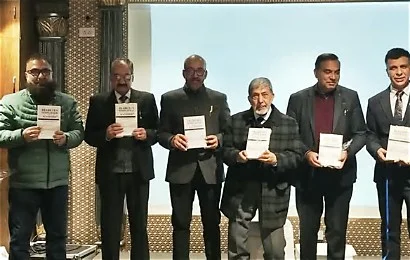
The book, jointly authored by three medical experts, highlights Kashmir's dietary habits, cultural practices and lifestyle patterns while offering practical, evidence-based guidance on diabetes prevention and management.
SRINAGAR, November 16, 2026: Marking World Diabetes Day 2026, a special academic and public awareness programme was organised in Srinagar, bringing together leading endocrinologists, physicians and experts to discuss the increasing burden of diabetes and the importance of region-specific strategies for its prevention and management.
The event focused on the need to strengthen diabetes awareness, encourage healthy lifestyle choices and promote research that takes into account the dietary and cultural practices of the local population.
Medical Experts Highlight the Importance of Diabetes Awareness
The programme began with an introductory address by Dr. M. Hayat Bhat, Head of the Department of Endocrinology at Government Medical College (GMC), Srinagar. He highlighted the importance of observing World Diabetes Day and creating greater awareness about the disease.
One of the key sessions was the Lecture of Excellence delivered by Prof. Ab. Hamid Zargar, former Director of the Sher-i-Kashmir Institute of Medical Sciences (SKIMS).
During his address, Prof. Zargar discussed the diabetes situation in Kashmir, emerging challenges and region-specific concerns. He also reflected on research developments and contributions in the field over the past three decades, emphasising the need for locally relevant studies and evidence-based healthcare interventions.
Also read: Post Diwali detox- easy ways to restore your healthy lifestyle.
‘Diabetes Simplified for Kashmir’ Book Launched
A major highlight of the programme was the launch of the book Diabetes Simplified for Kashmir, jointly authored by three medical professionals:
-
Dr. Shahnawaz Mir, Associate Professor, Department of Endocrinology, GMC Srinagar.
-
Dr. Nasir Shamas, Consultant Physician and Head of Unit (HOU), JLNM Hospital.
-
Prof. M. Hayat Bhat, Head, Department of Endocrinology, GMC Srinagar.
The publication represents an important effort to explain diabetes management in the context of Kashmir's distinctive regional lifestyle and cultural environment.
It explores how local food habits, traditional dietary practices, cultural preferences and everyday lifestyle patterns can influence diabetes. The book also provides practical, evidence-based recommendations to help people understand, prevent and manage the condition.
By connecting medical research with everyday experiences, the authors aim to make scientific information more accessible and useful for the local community.
Eminent Panel Members Release the Publication
The book was formally released by a distinguished panel comprising Prof. Ab. Wahid, Prof. Saleem Khan, Prof. Shariq Masoodi, Prof. Nazir Mushtaq, Saleem Beigh and Prof. A.R. Nasti.
The panel members unanimously appreciated the initiative, highlighting the importance of region-specific educational resources in improving public health awareness and health literacy.
They noted that publications incorporating local food preferences, cultural practices and social realities can help communicate medical knowledge more effectively and encourage people to adopt healthier habits.
Dr. Shahnawaz Mir expressed his appreciation to his teachers, students, patients, researchers and everyone who supported the project. He acknowledged their collective contributions in bringing Diabetes Simplified for Kashmir to fruition as an academic and public health initiative.
Dietary Innovation and Healthy Food Choices Take Centre Stage
The programme also highlighted the importance of nutrition and dietary innovation alongside conventional medical treatment.
Experts emphasised the benefits of incorporating high-fibre foods and low-glycaemic-index (GI) alternatives into everyday diets as part of diabetes prevention and management.
An example discussed during the event was Sugar Cut Rice, an innovative low-GI rice initiative introduced by Aadil Jeelani. The initiative was highlighted as an effort to explore healthier food alternatives suited to community needs.
The discussions reinforced the importance of making informed food choices and adopting sustainable dietary practices to support better health outcomes.
‘Five Miles’ Walking Guidebook Encourages an Active Lifestyle
Recognising physical activity as another essential element of diabetes prevention and control, participants were also introduced to Five Miles, a walking guidebook authored by Dr. Nasir Shamas.
Copies of the publication were distributed among attendees. The guidebook encourages people to make daily walking and physical fitness part of their routines while exploring Kashmir's heritage routes.
By combining physical activity with an appreciation of the region's cultural and historical landscape, the initiative seeks to promote a healthier and more active lifestyle.
Must read : Air pollution may harm your gut health, experts explaining the effects..
Diverse Participation Strengthens the Public Health Message
The programme witnessed participation from a wide range of professionals and community members, including doctors, researchers, innovators, writers, historians, journalists, conservationists, students, dieticians and entrepreneurs.
The diverse gathering reflected the importance of collaboration across different disciplines in addressing the growing diabetes challenge.
The discussions highlighted that diabetes prevention and management cannot depend exclusively on medical treatment. Greater public awareness, culturally appropriate nutrition, regular exercise, scientific research, innovation and active community participation are equally important.
Concluding with a collective message, the programme called for sustained efforts to address diabetes in Kashmir through locally relevant healthcare strategies and greater public engagement.








Comments (0)