

Best Rice Choices for Blood Sugar Control: Low-GI Varieties and Healthier Cooking Methods
 Mariyam Yasser
Author
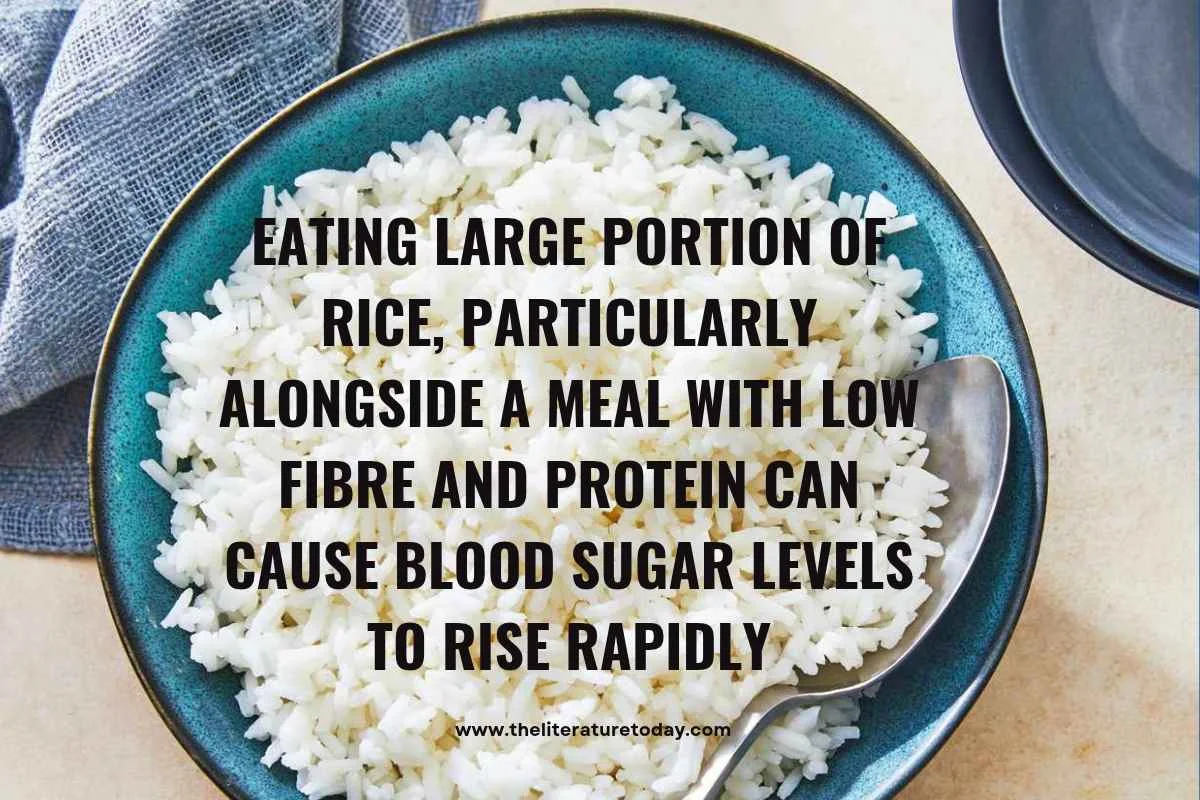
Rice is one of the most widely consumed foods around the world, particularly in Indian households. From everyday dal-chawal to elaborate traditional meals, rice holds a special place in our food culture. However, for individuals dealing with diabetes or insulin resistance, the way rice is selected, prepared and consumed can make a considerable difference.
The main concern with white rice is its high starch content, which the digestive system can break down relatively quickly. When consumed in large quantities, especially without enough fibre or protein, it may lead to a noticeable increase in blood glucose levels.
Fortunately, avoiding rice altogether is not the only way to manage this concern. Selecting suitable varieties, experimenting with preparation techniques and eating balanced portions can help make rice a more mindful dietary choice.
Scientific findings indicate that the glycemic index (GI) of rice can vary considerably, ranging from 48 to 93. Its GI depends on several factors, including the grain's variety, starch structure, processing and cooking technique.
Understanding these differences can help people make better decisions about their everyday meals.
Rice, Dal and Vegetables: What Happens to Your Blood Sugar?
A plate containing rice, dal and vegetables is a familiar combination in Indian cuisine. Although such a meal provides several nutrients, the proportion of each food can influence how the body responds after eating.
Fitness and nutrition creator Rohan Sehgal shared an experiment in which he consumed 200 grams of freshly prepared white rice, 200 grams of arhar dal and 100 grams of aloo gobhi. His glucose readings showed an increase of approximately 36 mg/dL over a period of three hours.
The results highlight the importance of considering serving sizes rather than focusing only on individual food ingredients.
Dal supplies protein, while vegetables contribute dietary fibre and other nutrients. These components can influence digestion and the body's response to carbohydrates.
A randomised crossover study involving healthy adults also examined how different food combinations affected glucose levels. Researchers observed a lower glycemic response when white rice was eaten with chicken, oil and vegetables instead of being consumed on its own.
This suggests that the nutritional balance of an entire meal matters. Combining rice with suitable protein sources and vegetables may help moderate its impact on blood glucose.
Refrigerated Rice: A Simple Kitchen Technique Worth Trying
An interesting approach to changing the nutritional properties of rice involves allowing it to cool after cooking.
Rather than eating rice immediately after preparation, it can be refrigerated and reheated before serving. This process encourages a structural change in some of the starch present in the rice, known as starch retrogradation.
During cooling, part of the starch becomes resistant starch. Unlike ordinary starch, resistant starch is not completely digested in the small intestine. As a result, it may contribute to a slower release of glucose during digestion.
Scientific evidence provides some support for this method.
In a randomised crossover study conducted with 15 healthy adults, researchers compared freshly prepared white rice with rice that had been stored at 4°C for 24 hours and subsequently reheated.
The refrigerated and reheated rice contained 1.65 grams of resistant starch per 100 grams, whereas freshly cooked rice contained 0.64 grams per 100 grams. The study also recorded a significantly lower glycemic response after participants consumed the cooled rice.
Rohan Sehgal's personal CGM observations showed a comparable difference. His glucose levels increased by approximately 18 mg/dL over two and a half hours after eating rice that had been refrigerated overnight. Freshly prepared rice, on the other hand, resulted in an increase of around 36 mg/dL.
Although these observations are noteworthy, they should not be taken as proof that refrigerated rice will produce the same reduction in every individual. The scientific study supports the role of resistant starch, but its limited sample size means further research is needed to establish how consistently these results apply to different populations.
Handling Cooked Rice Safely
The cooling technique requires proper food storage because cooked rice can pose a food poisoning risk when handled incorrectly.
Spores of Bacillus cereus can remain alive even after rice has been cooked. If the food stays at room temperature for too long, the bacteria can multiply and potentially produce harmful toxins.
UK government food safety recommendations advise following these precautions:
-
Transfer cooked rice for cooling as quickly as possible, ideally within one hour.
-
Place it in the refrigerator without unnecessary delay.
-
Heat refrigerated rice until it is steaming hot throughout before serving.
-
Avoid reheating the same rice more than once.
-
Never keep cooked rice outside overnight at room temperature.
These precautions are important for anyone planning to include cooled and reheated rice in their regular meals.
Exploring Rice Alternatives That May Be Better for Glucose Management
Different grains have different nutritional compositions, and their effects on blood glucose are not necessarily identical. Certain varieties retain more fibre or contain plant compounds that may influence the way carbohydrates are digested.
Here are some alternatives that deserve attention.
1. Brown Rice: A Fibre-Rich Alternative to Polished Rice
Brown rice differs from conventional white rice because its outer bran layer remains intact during processing.
This layer provides dietary fibre and other nutrients that are largely removed when rice is polished. The presence of additional fibre may influence digestion and the rate at which carbohydrates are absorbed.
A systematic review examining rice varieties and their glycemic effects reported that brown rice generally generated lower glucose and insulin responses than white rice when both were cooked for an equal duration.
However, the difference was less noticeable and less consistent when brown rice underwent longer cooking.
Research published in a 2022 systematic review and meta-analysis also identified contrasting associations between the two varieties. Greater consumption of white rice was linked to a higher risk of type 2 diabetes, whereas brown rice consumption was associated with a lower risk.
While brown rice can be a useful addition to a balanced diet, switching varieties alone cannot guarantee improved glucose regulation. Eating habits, cooking practices and serving quantities continue to play an important role.
2. Black Rice and Red Rice: Colourful Grains with Nutritional Benefits
Black and red rice stand out because of their natural pigmentation. These colours come from plant compounds, and both varieties contain varying quantities of fibre and other nutrients.
A study carried out in the Philippines in 2026 compared several pigmented rice varieties and reported the following GI scores:
-
Black rice recorded a GI of 49.
-
Red rice had a GI of 69.
-
White rice registered a GI of 71.
Based on these particular findings, black rice demonstrated a comparatively lower glycemic index than the other varieties examined.
However, GI values are influenced by the specific grain and preparation technique used during testing. Therefore, these figures should not be assumed to represent every commercially available variety.
Individual glucose readings can also tell a different story. During his experiments, Rohan Sehgal recorded an increase of approximately 37 mg/dL over three hours after eating black rice. His reading after consuming red rice showed an increase of around 36 mg/dL.
Both results were close to the response recorded after his freshly prepared white-rice meal.
This difference between published GI findings and individual monitoring results demonstrates why food responses should not be judged using a single experiment. Black and red rice can provide nutritional variety, but their effects still depend on how much is consumed and how the meal is prepared.
3. Barnyard Millet (Samak): Another Grain to Include in Your Diet
People looking beyond conventional rice can also consider samak, commonly known as barnyard millet.
This millet is a familiar ingredient in Indian cooking and is particularly popular in dishes prepared during religious fasting. It offers another way to diversify everyday meals.
In Rohan Sehgal's glucose-monitoring experiment, samak was associated with a blood glucose increase of approximately 27 mg/dL over three hours.
The potential benefits of millets have also been examined in scientific literature. A systematic review and meta-analysis published in 2021 reported an average GI of 52.7 among the millets included in the research. In comparison, milled rice had an average GI of 71.7.
Barnyard millet was identified among the millet varieties with relatively low average GI values.
Nevertheless, the nutritional outcome can change depending on how millet is processed and cooked. The portion served and accompanying ingredients also influence the body's response.
Can Ghee or Specially Marketed Rice Help Control Glucose Levels?
Many traditional cooking practices are believed to make rice healthier. Two commonly discussed options are adding ghee during preparation and purchasing commercially available low-GI rice.
However, their actual effects need to be understood through available evidence rather than assumptions.
Adding Ghee to Rice: Does It Make a Difference?
Ghee is frequently added to rice to improve its flavour and texture. Some people also believe that cooking rice with ghee can reduce its effect on blood sugar.
Rohan Sehgal tested this preparation method as part of his experiment. The resulting glucose increase was approximately 36 mg/dL over two and a half hours, which was comparable to the response after eating freshly cooked white rice.
Therefore, his findings do not establish ghee as an effective method for reducing the glycemic impact of rice.
It is also worth considering that ghee contributes additional calories to meals. Increasing its quantity solely in the hope of improving blood glucose control may not be a sensible dietary strategy.
Are Low-GI Rice Products Always a Better Choice?
Several packaged rice products are promoted as suitable options for people looking to manage their blood sugar levels.
However, a low-GI label does not necessarily mean that every consumer will experience a smaller glucose increase after eating the product.
In his experiment, Sehgal recorded a glucose rise of approximately 38 mg/dL over two and a half hours after consuming the packaged low-GI rice he tested.
This observation should not be interpreted as evidence that the product was incorrectly labelled or that all commercially available low-GI rice varieties have similar effects.
The glycemic index is determined through controlled testing. Actual responses can differ according to serving quantity, cooking conditions, accompanying foods and individual metabolic characteristics.
For this reason, checking nutritional information and understanding serving recommendations are important when choosing packaged rice products.
Everyday Eating Habits That Can Make Rice Meals More Balanced
Managing glucose levels is not necessarily about removing familiar foods from the dining table. Small changes in food selection and meal preparation can help people make more informed choices.
Consider the following practices:
1. Be mindful of serving quantities
The quantity of rice on your plate matters. Keeping portions moderate can help avoid consuming excessive amounts of rapidly digestible carbohydrates.
2. Add a protein component
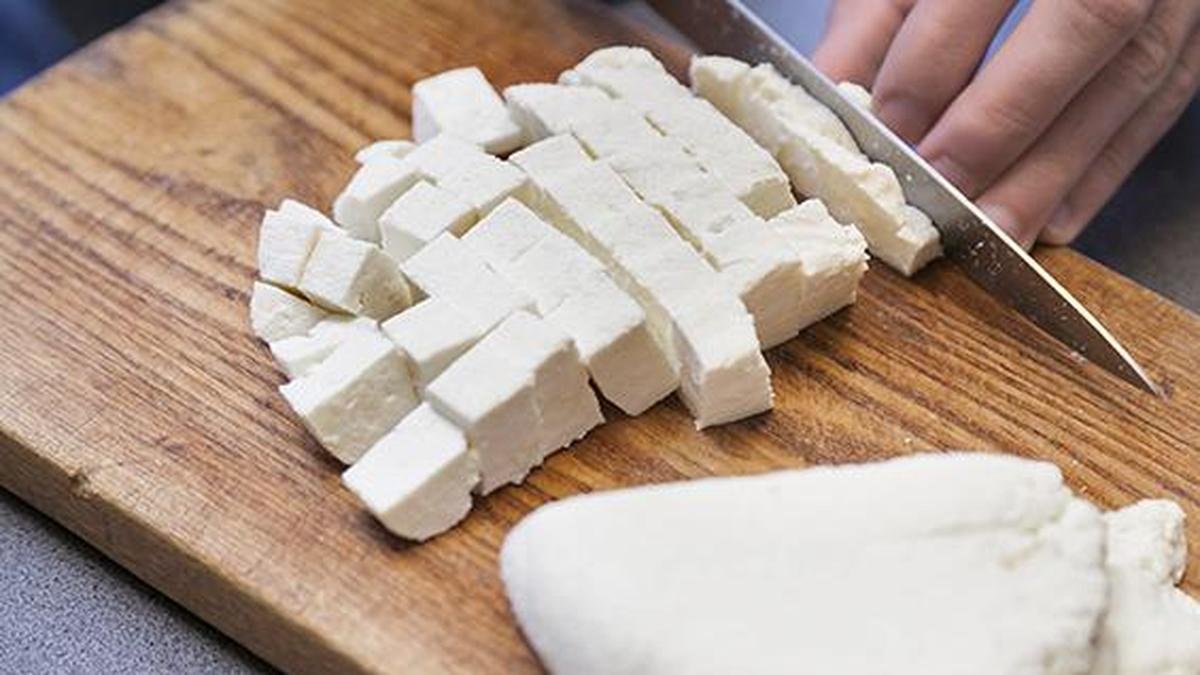
Serve rice alongside foods such as dal, paneer, tofu, soya or chicken. Including protein helps create a more nutritionally balanced meal.
3. Increase the amount of vegetables
Vegetables such as spinach, beans, cauliflower and carrots contribute fibre and essential nutrients. Including a variety of vegetables can improve the overall nutritional quality of your meal.
4. Experiment with different grains
Brown rice, black rice, red rice and barnyard millet are alternatives worth exploring. Choose varieties that suit your nutritional needs and personal preferences.
5. Consider the cooling method
Refrigerating cooked rice correctly before reheating may increase its resistant starch content. Follow appropriate storage and reheating guidelines to avoid food safety risks.
6. Pay attention to your glucose readings
If you regularly use a glucose meter or continuous glucose monitoring device, observe how your body responds to different rice varieties, serving sizes and meal combinations.
7. Seek professional dietary guidance
Anyone living with diabetes or using glucose-lowering medication should consult a doctor or registered dietitian before introducing major changes to their eating routine.
Must read : Tracking childhood obesity needs more than medical care
Conclusion: Enjoy Rice While Making More Informed Food Choices
A balanced approach to eating does not require people to abandon traditional foods. Rice can continue to be part of everyday meals when attention is given to its variety, preparation and serving quantity.
Brown rice, black rice, red rice and barnyard millet provide alternatives that may offer different nutritional advantages. Research on resistant starch also suggests that cooling and safely reheating cooked rice can influence its glycemic response.
However, no single variety or preparation technique guarantees the same outcome for everyone. Factors such as metabolism, cooking duration, portion size and the combination of foods consumed together all contribute to individual blood glucose responses.
Rather than viewing rice as something that must be eliminated, the better approach is to understand how it affects your body and make thoughtful adjustments to your meals.
With informed food choices and appropriate dietary guidance, enjoying a traditional bowl of rice and dal can remain part of a balanced eating routine.





Comments (0)